Dental treatment in Chengalpattu
Wisdom Tooth Removal in Chengalpattu
Assessment and removal of a wisdom tooth when its position, symptoms or associated problems make extraction appropriate.
Overview
Understanding the treatment.
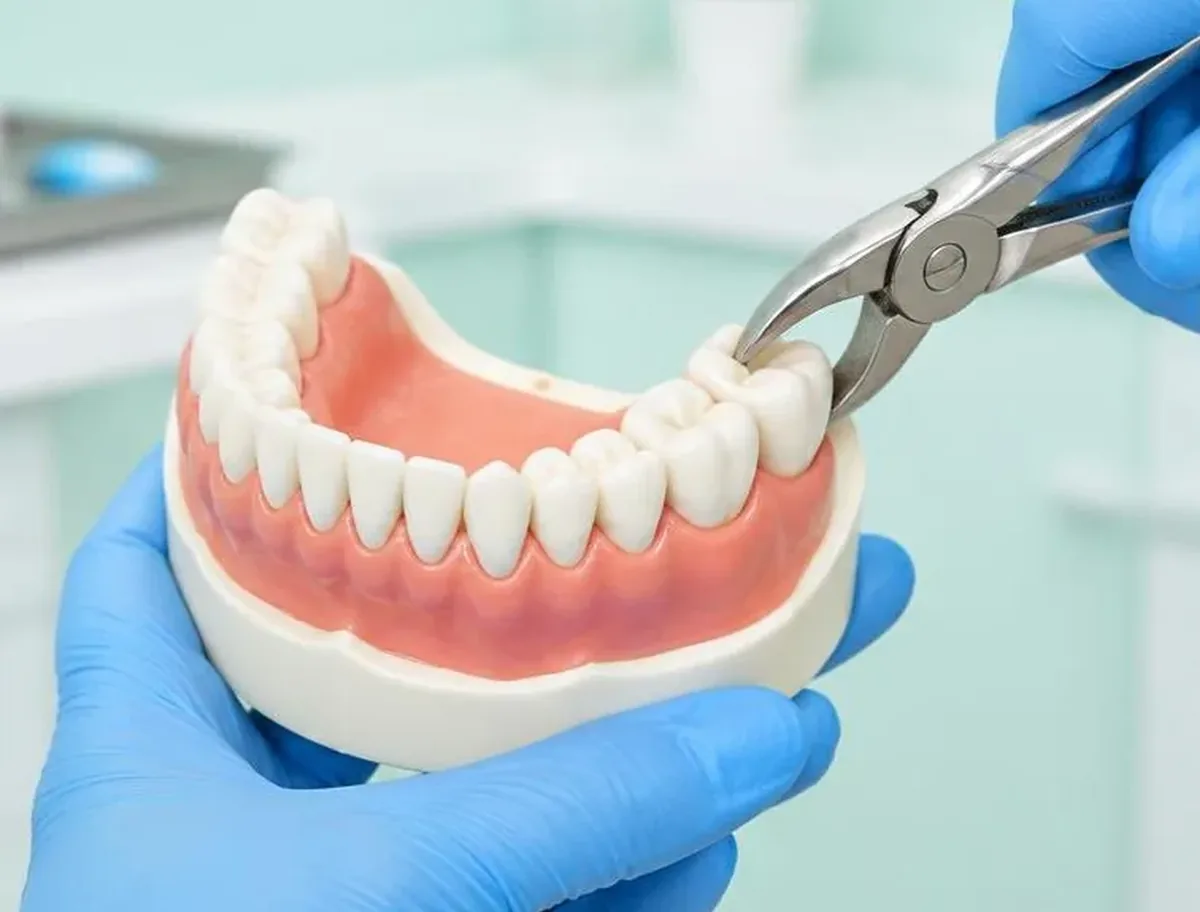
Wisdom teeth may erupt fully, partly erupt or remain impacted. Not every wisdom tooth needs removal. Assessment considers pain, repeated inflammation, decay, cleaning access, neighbouring teeth and the position shown on appropriate imaging.
Removal can be straightforward or surgical depending on the tooth. The dentist should explain the expected procedure, relevant risks, aftercare and alternatives before you consent.
What to expect
The usual stages, explained.
01
Examination and imaging
Your symptoms and the area are examined. An X-ray may show the root shape, impaction and important nearby structures.
02
Removal
Local anaesthesia numbs the area. The technique depends on eruption and position; a surgical approach or stitches may be needed.
03
Recovery
Written aftercare covers gauze, food, cleaning, medicines and activity. A review is arranged if clinically needed.
Your actual plan may differ after examination and any necessary imaging.
Potential benefits
- Addresses a wisdom tooth causing assessed clinical problems
- Can remove a source of repeated local inflammation
- Planned aftercare supports healing
Things to consider
- Swelling, discomfort and limited opening can occur temporarily.
- Dry socket and infection are possible complications.
- Impacted lower teeth can have position-specific nerve risks.
- Contact the clinic for worsening symptoms or follow the urgent advice provided.
Common questions
Before you decide.
Does every wisdom tooth need removal?
No. Symptom-free teeth that can be monitored and kept healthy may not need extraction. The decision follows examination and appropriate imaging.
What is dry socket?
It is a painful healing complication in which the blood clot is lost or breaks down. Contact the dentist if pain worsens after initial improvement rather than self-treating the socket.
When is swelling an emergency?
Rapidly increasing facial swelling, difficulty breathing or swallowing, or feeling seriously unwell needs urgent medical attention. Do not wait for a routine dental appointment.